Source Recyclable 100ml Perfume Bottle for Cosmetics, Personal Care, and Gifts
Compare 30 listings for the recyclable 100ml perfume bottle suitable for cosmetics, personal care products, and gift applications. Buyers can evaluate square glass options with pump sprayers, hot stamping, and screen printing from Chinese manufacturers with MOQs ranging from 500 to 20,000 pieces.
Key considerations
Products List


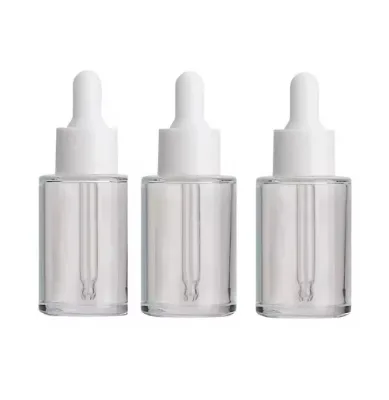

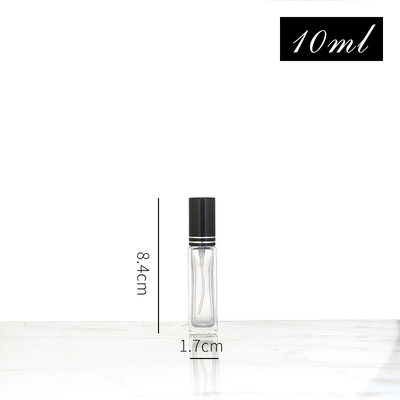


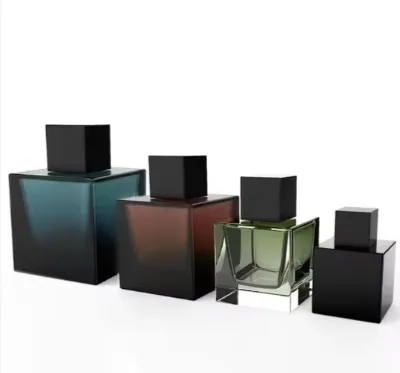

Comprehensive Sourcing Guide
Sourcing Strategy for Recyclable 100ml Perfume Bottles
Procuring recyclable 100ml perfume bottles requires a disciplined approach that balances aesthetic requirements with functional sustainability and supply chain reliability. The market for glass packaging in the fragrance industry is vast, yet specific constraints regarding volume, material composition, and customization capabilities define the viable supplier pool. This guide synthesizes available product data to provide a framework for evaluating potential vendors, ensuring that the final selection meets both technical specifications and corporate sustainability goals without relying on unverified marketing claims.
Technical Specifications and Material Composition
The foundation of any successful procurement for perfume packaging lies in the precise definition of technical attributes. For the core keyword of a recyclable 100ml perfume bottle, the primary material observation is glass. Specifically, the supply data indicates the use of "Melt Glass," a classification that suggests the material is derived from a melting process suitable for high-temperature forming, a standard characteristic for durable cosmetic containers. The volume requirement of 100ml is explicitly supported by multiple data points listing "100ml" as a standard capacity, alongside other common sizes like 30ml and 50ml. Buyers must verify that the specific model selected aligns with the 100ml standard, as some listings also reference ranges such as "51-100 ml" or "<100 Ml," which may introduce ambiguity if not strictly defined in the purchase order.
The physical geometry of the bottle is equally critical for brand identity and shelf presence. The observed data highlights a "Square" shape as a prevalent option, which offers a modern, structured aesthetic often preferred in premium fragrance lines. The bottle neck is a critical interface for the closure system. The supply chain data identifies "Pump Sprayer" and "Spray Pump" as the standard closure types, with specific neck sizes ranging from 15mm to 20mm. Commonly observed neck sizes include 15mm, 18mm, and 20mm. When sourcing, it is imperative to match the neck size to the specific pump mechanism to ensure a leak-proof seal, as the "Bottleneck" is described in some contexts as a "Narrow Mouth Bottle," which may require specific pump adapters. The color options observed include "Black" and "Transparent," allowing for flexibility in branding strategies where the transparency of the glass reveals the liquid or the opacity provides a luxurious, opaque finish.
Customization Capabilities and Surface Handling
Customization is a significant driver in the fragrance packaging sector, and the available data confirms that "Customization" is an available attribute for these glass bottles. This flexibility extends to branding and surface treatments. The primary methods for logo application observed are "Hot Stamping" and "Screen Printing." Some listings indicate that both methods are available, offering buyers the choice between the metallic sheen of hot stamping or the vibrant color options of screen printing. The "Surface Handling" specification explicitly lists "Screen Printing" as a standard process, suggesting that this is a mature capability within the supply chain.
Furthermore, the acceptance of "OEM/ODM" (Original Equipment Manufacturer/Original Design Manufacturer) services is a key indicator of a supplier's ability to adapt to unique brand needs. This allows for the creation of unique bottle shapes or specialized labeling that differentiates a product in a crowded market. The "Logo" attribute is listed as available, but buyers should clarify the specific placement and finish during the design phase. It is important to note that while customization is available, the extent of design freedom may be constrained by the mold capabilities of the manufacturer. Buyers should request samples of previous custom work to verify the quality of the screen printing or hot stamping before committing to a large order.
Compliance, Certification, and Sustainability Claims
Sustainability is a central theme in the sourcing of "recyclable" bottles. The product data explicitly lists "Recyclable" as a feature, and in some instances, "Degradable" is also mentioned alongside "Disposable." However, the term "Degradable" in the context of glass bottles requires careful interpretation, as glass is inherently recyclable but not typically biodegradable in the organic sense. Buyers should treat these attributes as observations of the supplier's marketing claims rather than guaranteed scientific facts without third-party verification.
Regarding formal certifications, the supplied data includes low-confidence background references to standards such as ISO 9001, ISO 14001, and CE. These are listed as background information and should not be treated as confirmed certifications for specific products without direct validation from the supplier. A rigorous procurement process requires the buyer to request current, valid certificates from the manufacturer. For glass packaging, relevant standards often relate to food safety (if applicable), chemical resistance, and environmental management systems. The "prod_standard" field lists capacities like "30ml 50ml 100ml" and "80ML 100ML," which serve as internal product standards but do not replace external regulatory compliance. Buyers must verify that the glass meets local regulatory requirements for fragrance packaging in their target market, particularly regarding lead and cadmium content, which are common concerns in glass manufacturing.
Cost Drivers and Economic Parameters
Understanding the cost structure of glass perfume bottles is essential for budgeting and negotiation. The observed price range in the market is between 0.1 and 1.5 USD per unit. However, this range is highly dependent on the order volume and the complexity of the customization. The Minimum Order Quantity (MOQ) is a significant cost driver. The data presents a wide range of MOQs, from 500 to 10,000 pieces, with specific listings citing 10,000 PCS or even 20,000 PCS. This variance suggests that suppliers have different production thresholds; smaller MOQs may come with a higher per-unit cost, while larger orders benefit from economies of scale.
Payment terms are another critical financial consideration. The observed payment methods include T/T (Telegraphic Transfer), Western Union, PayPal, and LC (Letter of Credit). For large orders, an LC provides security for both parties, while T/T is common for established relationships. The "prod_packing" specification mentions "Standard Carton + Pallet" or "Export Standard Packaging," which impacts the overall landed cost. Buyers should calculate the cost of packaging and shipping, as the "prod_origin" is listed as China, and logistics costs can vary significantly based on the weight of glass and the distance to the destination. The "Level" of the product is noted as "Parfum," indicating a premium segment where packaging quality directly influences the perceived value of the final product.
Supplier Evaluation and Operational Logistics
Evaluating suppliers requires a focus on their operational capabilities and logistical reliability. The "prod_origin" is consistently identified as China, which is a major hub for glass manufacturing. Buyers should assess the supplier's capacity to handle the required volume, especially given the high MOQs observed. The "prod_packing" details indicate that goods are shipped via "Ship, Air, Courier," offering flexibility in delivery speed versus cost. However, glass is fragile, and the "Standard Safety Export Carton" is a minimum requirement. Buyers should inquire about internal cushioning and palletization strategies to minimize breakage rates during transit.
The "Application" of these bottles is listed as "Cosmetics, Personal Care Product," "Gift," and "Daily Use." This versatility suggests that the supplier has experience across multiple sectors. When evaluating a supplier, buyers should request references from clients in the fragrance industry specifically. The "Age Group" is noted as "Adult," and the "Gender" as "Female," which aligns with the typical target demographic for perfume products. However, buyers should ensure the supplier can accommodate any specific design changes required for unisex or male-targeted lines if the product strategy evolves. The "State" of the product is "Liquid," and the "Form" is "Spray," confirming that the bottle is designed for liquid fragrance dispensing.
Quality Control and Long-Term Procurement Considerations
Quality control (QC) is paramount when sourcing glass bottles, as defects in the mold or surface finish can be costly. Buyers should implement a rigorous QC protocol that includes checking for bubbles, scratches, and uneven wall thickness. The "Feature" list includes "Recyclable," but buyers should also verify the structural integrity of the bottle to ensure it can withstand the pressure of the spray pump without cracking. The "Closure Type" is a "Spray Pump," and the interaction between the glass neck and the pump mechanism must be tested for leakage and spray pattern consistency.
For long-term procurement, building a relationship with a supplier who offers "OEM/ODM" services is advantageous. This allows for continuous improvement of the packaging design and the ability to respond to market trends. The "Volume" options of 30ml, 50ml, and 100ml suggest that the supplier can support a product line expansion. Buyers should also consider the "Feature" of "Degradable" and "Disposable" with caution; while these terms appear in the data, the primary value proposition for glass is its infinite recyclability. Long-term sustainability goals should focus on the recyclability of the glass and the efficiency of the supply chain rather than biodegradability.
To ensure consistency, buyers should maintain a clear specification sheet that includes the exact neck size (15mm, 18mm, or 20mm), volume (100ml), color (Black or Transparent), and surface treatment (Hot Stamping or Screen Printing). Regular audits and sample checks should be conducted to verify that the production continues to meet the agreed-upon standards. By adhering to these structured evaluation criteria, buyers can secure a reliable supply of high-quality, recyclable 100ml perfume bottles that align with their brand values and operational requirements.
FAQs
What material is used for recyclable 100ml perfume bottles?
The primary material is glass, specifically classified as melt glass. This durable material supports the 100ml capacity and ensures the bottle is recyclable for sustainable packaging needs.
Which neck sizes are available for the spray pump closure?
Common neck sizes include 15mm, 18mm, and 20mm to fit various pump sprayers. Buyers must verify the specific neck dimension to ensure a secure and leak-proof seal with the closure type.
Can suppliers provide customization for logo printing on these bottles?
Yes, customization is available with options for hot stamping and screen printing. OEM and ODM services are accepted, allowing brands to apply unique logos or designs on the square or transparent glass surfaces.
What is the minimum order quantity for these glass bottles?
The minimum order quantity typically ranges from 500 to 10,000 pieces depending on the supplier. Some specific listings require an MOQ of 10,000 or 20,000 pieces to qualify for standard pricing.
How are these bottles packaged for international shipping?
Bottles are packed in standard safety export cartons and placed on pallets for stability. Shipping methods include sea freight, air cargo, or courier services to ensure safe delivery from the origin in China.
What payment terms are accepted for bulk orders?
Accepted payment methods include T/T, Western Union, PayPal, and Letter of Credit. These flexible terms accommodate different transaction sizes and provide security for both buyers and suppliers during the procurement process.